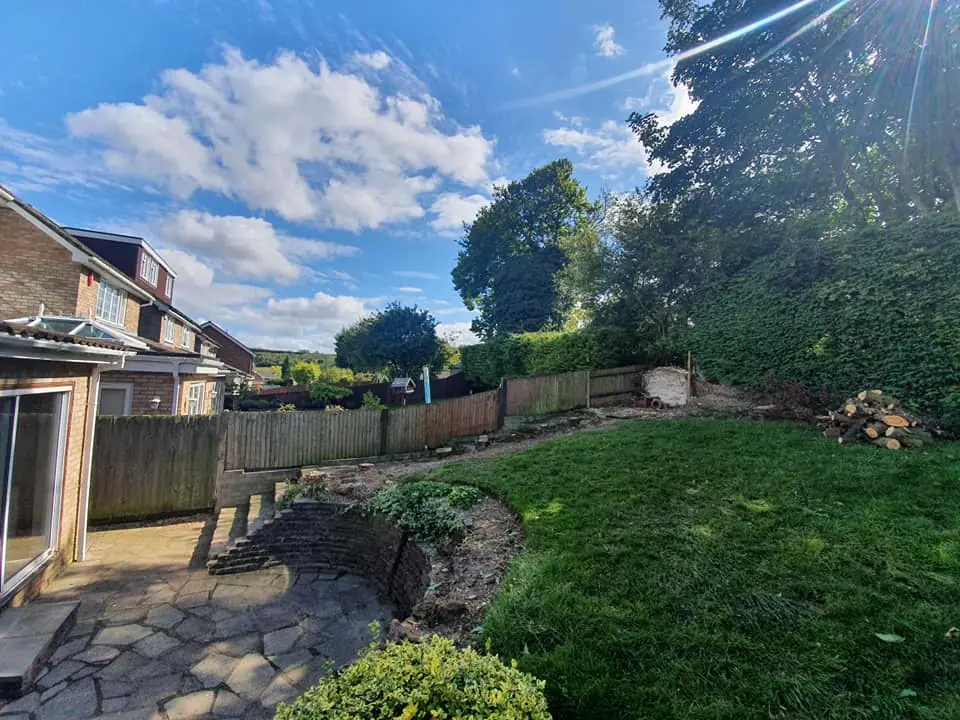
Regular tree pruning can help keep trees healthier, safer and better suited to the space around them. Whether a tree has become overgrown, branches are blocking light, lower limbs are getting in the way or the canopy simply needs tidying, professional pruning can improve both the appearance and condition of the tree.
We provide professional tree pruning in Dunstable for gardens and outdoor spaces of different sizes. From removing dead or damaged branches to reducing selected growth and reshaping overgrown trees, each job is approached with care and with the long-term condition of the tree in mind.
Pruning should never be carried out simply by cutting back branches at random. Different trees respond differently to pruning, and the amount removed, the location of each cut and the time of year can all influence future growth.
If you are looking for reliable tree pruning services in Dunstable, we can assess the tree, discuss what you want to achieve and carry out appropriate pruning to create a safer, tidier and more manageable result.
Careful pruning, not unnecessary cutting
Good tree pruning should improve the structure, appearance and manageability of the tree without removing more growth than necessary.
Tree pruning can serve many different purposes.
In some cases, the aim is simply to remove dead, damaged or crossing branches. In others, the tree may need to be reduced because it has become too large for its position or is interfering with nearby buildings, paths, gardens or other trees.
Our tree pruning in Dunstable can include a range of work depending on the tree and its condition.
This may include:
The correct approach depends on the species, size, age, condition and location of the tree.
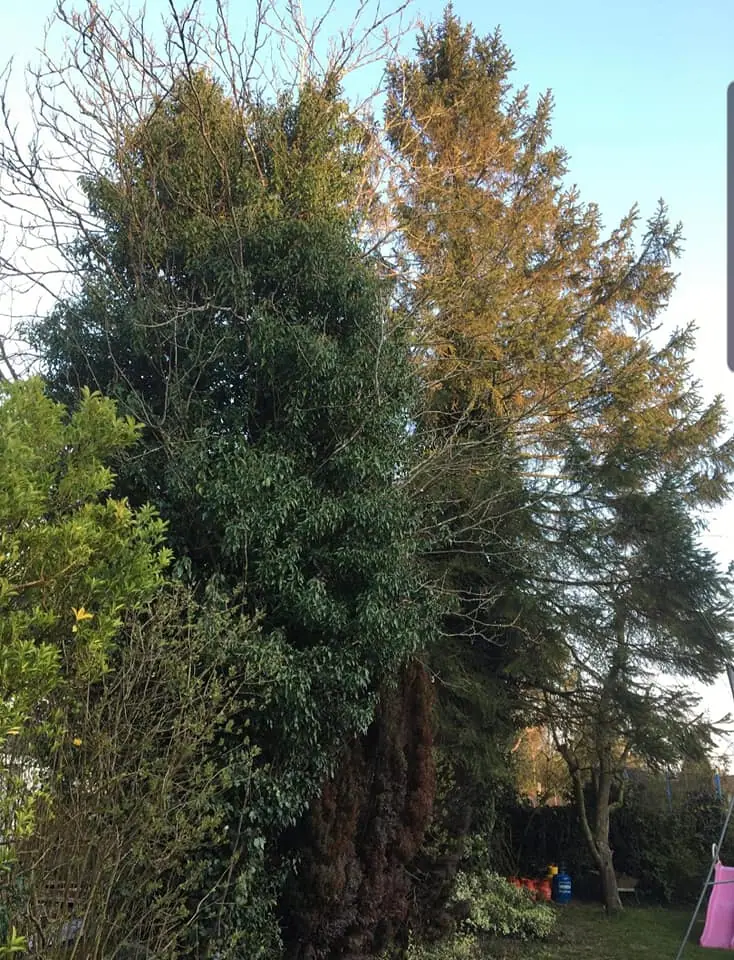
Trees are living structures that continue to grow and change over time.
In a large open space, this natural growth may cause few problems. In a domestic garden, however, trees are often positioned close to houses, fences, sheds, paths, patios and neighbouring properties.
Regular pruning can help keep that growth under control.
Not every tree needs frequent pruning, but where work is required, carrying it out appropriately can help avoid more significant problems later.
Crown reduction is used to reduce the overall size or spread of a tree canopy while retaining its natural shape as far as possible.
This usually involves selectively shortening branches rather than simply removing the top of the tree.
A crown reduction may be appropriate where a tree has become too large for its surroundings, is extending too close to a property or needs to be made more manageable.
Crown reduction may be considered where:
The amount of reduction should be suitable for the individual tree.
Over-pruning can cause unnecessary stress and may encourage poor regrowth, so it is important to avoid removing more of the canopy than required.
Crown thinning involves selectively removing branches from within the canopy while generally maintaining the overall height and shape of the tree.
The purpose is to reduce density rather than dramatically reduce size.
This can improve the distribution of branches and allow more light to pass through the canopy.
Crown thinning needs to be carried out evenly so that the tree does not become unbalanced.
Crown lifting involves removing selected lower branches to increase the clearance beneath the canopy.
This can be particularly useful where low branches are obstructing paths, lawns, driveways or seating areas.
It may also help provide more space beneath a tree without significantly changing the upper canopy.
The amount of lower growth removed should be carefully considered, particularly on mature trees.
Dead branches are a natural part of a tree's life cycle, but they may eventually become unstable.
Where deadwood is positioned above paths, seating areas or frequently used parts of a garden, removing it can help reduce the risk of branches falling unexpectedly.
Deadwood removal in Dunstable may involve taking out selected dead branches while leaving healthy growth in place.
Not every small dead twig needs to be removed, but larger or potentially hazardous branches should be assessed.
Storms, strong winds and accidental damage can leave branches cracked, split or partially broken.
Damaged branches may remain attached to the tree while becoming structurally weaker.
Where appropriate, removing these branches can create a cleaner cut and reduce the chance of further tearing.
A damaged tree should be assessed carefully because the extent of the problem may not always be obvious from ground level.
Damaged branch after bad weather?
Partially broken or hanging branches can become more unstable over time and are worth dealing with before they create a larger problem.
Trees can cast significant shade, particularly as their crowns become larger and denser.
Selective pruning may help increase the amount of light reaching parts of the garden without requiring the tree to be removed.
However, pruning cannot always completely solve a shading problem, and excessive cutting purely to increase light can harm the tree.
A balanced approach may involve reducing selected branches, thinning parts of the canopy or lifting lower growth.
The aim should be to achieve an improvement while maintaining a healthy tree structure.

Trees are often one of the biggest contributors to an overgrown garden.
When several years of growth have been left unmanaged, branches may extend across lawns, paths, neighbouring areas or other plants.
Careful pruning can help restore structure to the garden.
It is not always advisable to dramatically reduce an overgrown tree in a single visit.
Depending on the tree, a more gradual approach may produce a healthier long-term result.
The best time to prune depends on the type of tree and the reason for the work.
Some species are more suitable for pruning during winter dormancy, while others are better pruned during different periods of the year.
There are also trees that may be more vulnerable to certain diseases if pruned at the wrong time.
Because of these differences, there is no universal pruning season for every tree.
If you are unsure when your tree should be pruned, it is better to identify the species and consider the work required before cutting.
Tree topping usually involves cutting back large branches or the main crown indiscriminately, often leaving substantial stubs.
This is very different from careful crown reduction.
Topping can lead to weak regrowth, poor appearance and unnecessary stress on the tree.
Proper pruning should use considered cuts and retain a suitable branch structure wherever possible.
Simply cutting the top off a tree is rarely the best approach.
There is no single percentage that is appropriate for every tree.
The amount that can safely be removed depends on the species, age, health and type of pruning required.
Young, healthy trees may respond differently from old or stressed trees.
The goal should be to achieve the required result while keeping healthy canopy loss to a sensible minimum.
Large reductions may need to be approached gradually.
Some trees have legal protection.
A Tree Preservation Order, commonly known as a TPO, can restrict the pruning or removal of a protected tree without consent.
Trees within conservation areas may also be subject to additional requirements.
Before significant tree work is undertaken, it may be necessary to establish whether any restrictions apply.
Carrying out unauthorised work to a protected tree can lead to serious consequences, so this should always be checked where relevant.
If you are looking for tree pruning services in Dunstable, we can help with trees that have become overgrown, damaged or difficult to manage.
We can assess the type of work required and carry out appropriate pruning based on the individual tree and its location.
Whether you need a few lower branches removed, deadwood cleared or a larger canopy carefully reduced, the aim is to provide a practical result without unnecessary cutting.
Has your tree become too large for the space?
Selective pruning can often improve clearance, light and manageability while allowing you to keep the tree as an important part of the garden.
The terms are often used interchangeably. Tree pruning usually refers to more selective removal of particular branches for structural, health or clearance reasons, while trimming may be used more generally to describe tidying growth.
It depends on the species and the type of pruning required. Some trees are best pruned while dormant, while others should be pruned at particular times to reduce the risk of disease or excessive sap loss.
Pruning can help manage a tree's size and spread, but trees continue to grow. Regular appropriate maintenance may be needed where a tree is growing in a restricted space.
Crown reduction involves selectively shortening branches to reduce the overall height or spread of the canopy while trying to retain a natural shape.
Crown lifting involves removing selected lower branches to increase clearance beneath the tree. It can be useful above paths, lawns, driveways and seating areas.
Crown thinning reduces the density of branches within the canopy while usually keeping the overall height and spread broadly unchanged.
Larger dead or unstable branches may need to be removed, particularly where they overhang areas used by people. The urgency depends on the size, position and condition of the branch.
Yes, depending on the tree and the work required. Selected branches can often be reduced to improve clearance from roofs, walls, gutters or windows.
You may need consent if the tree is protected by a Tree Preservation Order or is located within a conservation area. Restrictions should be checked before work starts where applicable.
Indiscriminate topping is generally not considered good pruning practice. A carefully planned crown reduction is usually a more appropriate way to reduce the size of a tree.
Yes. We provide tree pruning in Dunstable and can undertake tree and garden work in surrounding areas depending on the location and scope of the project.
If your trees have become overgrown, are blocking access, contain dead or damaged branches or simply need professional attention, we can help.
We provide professional tree pruning in Dunstable, including crown reduction, crown lifting, crown thinning, deadwood removal and selective branch pruning.
Every tree is different, so the work can be tailored to its condition, location and the result you want to achieve.
Whether you need to manage one garden tree or incorporate tree pruning into a wider landscaping project, we can help create a safer, tidier and more manageable outdoor space.
Contact us today to arrange a quote for tree pruning in Dunstable.
If pruning is only part of the work you need, you may also be interested in: